
Discover 13 of the best places to visit in Europe in winter 2026 — from Lapland’s northern lights to Santorini’s solitude and Fuerteventura’s sunshine. Explore magical destinations where Europe shines brightest in the cold.
From snowy castles in Germany to sunlit trails in Portugal, winter in Europe 2026 is a season made for dreamers.
Have you ever wondered what Europe feels like when the summer crowds vanish and the landscapes trade golden light for glistening frost? Winter unveils a quieter, more intimate side of the continent — one where fairy-tale castles shimmer under snow, coastal towns whisper in peace, and you can sip mulled wine in a centuries-old café without queuing for a table.
With 2026 just around the corner, it’s time to dream beyond the ordinary. Whether you want to chase the northern lights in Finland, ski past storybook villages in Germany, or find sunshine in Portugal’s Atlantic isles, these 13 winter-perfect European escapes — listed by Lonely Planet — prove that the coldest months can be the most magical of all.
1. Cappadocia, Türkiye Those whimsical “fairy chimneys” you’ve seen floating across Instagram? They’re even dreamier dusted in snow. Cappadocia in winter feels like you’ve stepped into another realm — fewer tourists, lower prices, and an otherworldly silence that lets you truly hear the wind echoing through ancient cave churches. Explore the frescoed tunnels of Göreme, descend into the underground city of Kaymaklı, and end the day thawing out in a Turkish hammam with a bowl of steaming lentil soup.
2. Fuerteventura, Canary Islands What if you could have summer in January? Fuerteventura’s volcanic landscapes and endless beaches offer the ultimate winter escape. With 21°C days and clear Atlantic skies, you can hike dunes, surf turquoise waves, or simply bask barefoot at Playa del Matorral. When the rest of Europe packs scarves, you’ll be packing sunscreen.
3. Eryri (Snowdonia), Wales When snow falls on Snowdonia, adventure comes alive. This rugged Welsh national park invites thrill seekers to hike, raft, and even zip-line through its icy wilderness. Brave a guided winter trek or explore abandoned mines turned underground adventure parks. The mountains may be frosty, but the excitement will keep you burning warm.
4. Bilbao, Spain Even on drizzly days, Bilbao glows — a city of contrasts where titanium architecture meets timeless tapas bars. Lose hours inside the Guggenheim, stroll the cobbled lanes of Casco Viejo, and nibble your way through pintxos heaven at Plaza Nueva. The chill outside is easily cured with good food, good Rioja, and great company.
5. Madeira, Portugal If paradise had a season, Madeira would choose eternal spring. With 20°C sunshine in February and mountain trails that plunge into the sea, this Portuguese island is made for slow, soul-filling travel. Hike the levadas, sip poncha at a cliffside bar, and watch waves crash below Funchal’s tropical gardens. Winter never felt so alive.
6. Côte d’Azur, France Winter on the French Riviera is a secret locals don’t like to share. The sea stays blue, the light remains golden, and the glamour lingers — minus the summer crowds. Wander Nice’s pastel streets, linger in Cannes’ quiet cafés, or drive coastal roads that feel like your private movie set. It’s the Côte d’Azur, only calmer, softer, more real.
7. Bavarian Alps, Germany If fairy tales were real, they’d be set here. The Bavarian Alps glisten with snow-laden forests and castles straight out of dreams. Visit King Ludwig’s Neuschwanstein — Disney’s muse — then cozy up with a Bavarian beer in Füssen’s timber taverns. Out here, every snowflake feels like a story waiting to be told.
8. Santorini, Greece In winter, Santorini exhales. The caldera is still breathtaking, but the crowds are gone — replaced by quiet streets, open-hearted locals, and sunsets you’ll watch in solitude. The weather may cool, but the island’s soul warms you more than any Mediterranean sun could.
9. The Alentejo, Portugal Rolling vineyards, ancient towns, and skies so clear they look freshly polished — welcome to Portugal’s Alentejo. Winter here is for slow mornings and bold reds. Base yourself in Évora, wander through whitewashed villages, and savor wine by the fire. If serenity had a flavor, this would be it.
10. Lyon, France Lyon doesn’t just do food — it celebrates it. Winter amplifies the city’s culinary soul, from cozy bouchons serving rich stews to Michelin-starred temples of innovation. Duck into secret traboules to escape the cold, or warm up with a bowl of onion soup that will ruin you for all others.
11. Cinque Terre, Italy Five pastel villages tumble down the cliffs like brushstrokes on a stormy canvas. In winter, Cinque Terre feels like a private painting — moody skies, crashing waves, and locals reclaiming their rhythm. The trails are quieter, the wine cheaper, and the views still heartbreakingly beautiful.
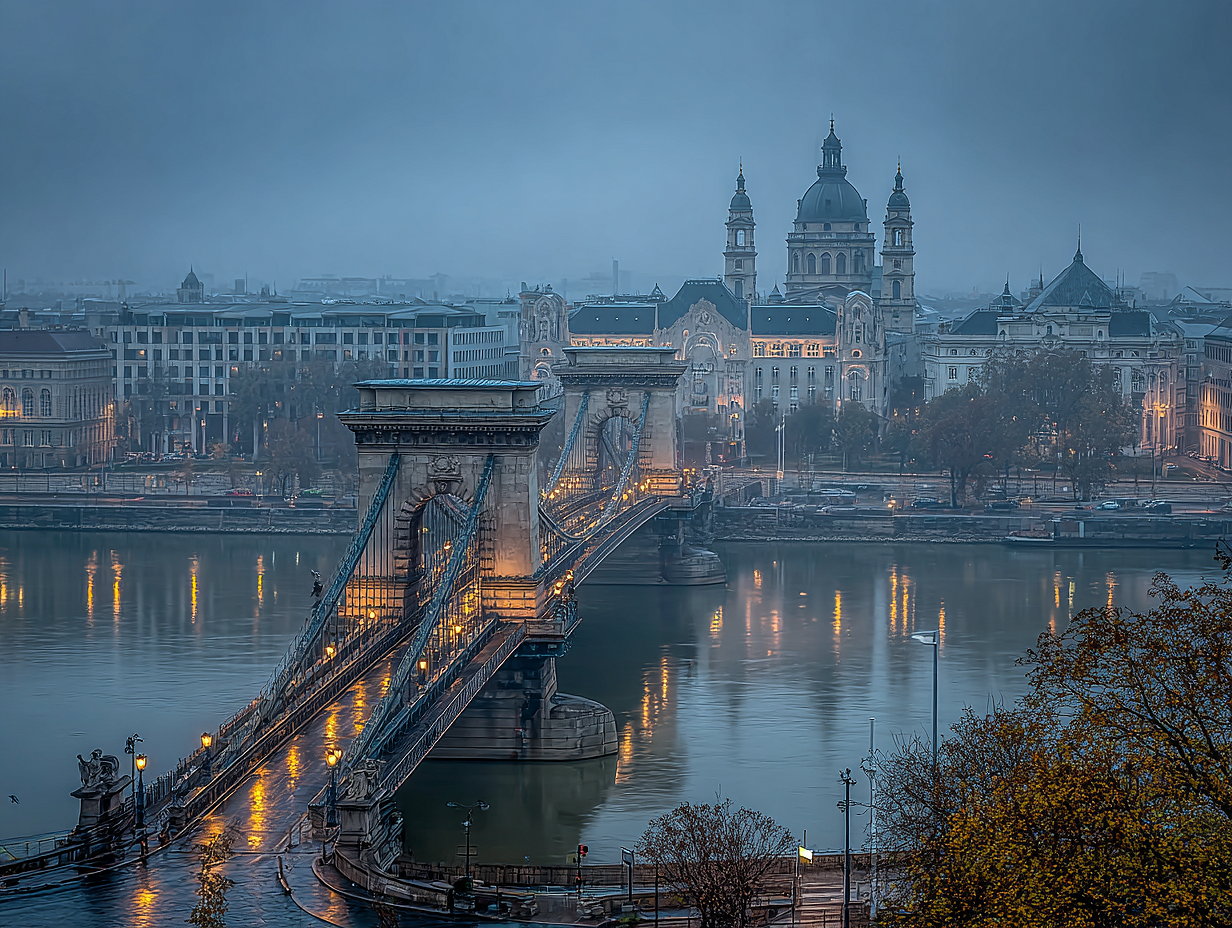
12. Budapest, Hungary Budapest was made for winter. The city’s grand architecture sparkles under frost, and its many thermal baths steam invitingly against the chill. Slip into Széchenyi’s hot pools, cross the Danube as snowflakes fall, then lose yourself in a ruin bar with jazz and palinka. It’s Europe’s most beautiful way to stay warm.
13. Lapland, Finland What could be more enchanting than snowfields glowing under green auroras? Lapland delivers that and more — reindeer sleigh rides, husky sledding, and nights in glass igloos where the sky dances just for you. End your Arctic adventure in a Finnish sauna, and you’ll understand why winter is not to be endured but embraced.
So, where will you go first? To bask in Madeira’s eternal sun or stand in awe beneath Lapland’s shimmering skies? Europe in winter 2026 isn’t just a season — it’s a mood, a palette, a promise of new beginnings painted in snow and starlight.