
International Insurance has revealed its list of the 15 most expensive countries in the world to live in 2026.
Cost of living isn’t just about rent and groceries; it’s also an emotional barometer of how far your pay cheque stretches, whether you can afford nights out, transport, and utilities without wincing at the end of the month.
In 2026, rising global inflation, shifting currency values, and robust quality-of-life expectations have pushed certain countries to the top of the world’s priciest places to live.
According to data from InternationalInsurance, these nations combine high daily living costs with expensive housing, services, and taxes, creating environments that might delight visitors but demand hefty budgets from residents.
15 Most Expensive Countries in the World
From island paradises with stunning coastlines to European financial hubs, this list spans continents and cultures, but they all share one thing: premium price tags.
1. The Cayman Islands
The Cayman Islands ranks as the most expensive place to live in the world in 2026, and it’s not particularly close. This small but globally significant financial hub attracts a steady stream of wealthy expatriates, especially those working in offshore banking, investment services, and corporate finance. Life here is built around a high-end lifestyle, luxury beachfront properties, private villas, and world-class dining are all part of the everyday experience.
The territory consists of Grand Cayman, Cayman Brac, and Little Cayman, with Grand Cayman being the economic and population centre. However, the appeal comes with a hefty price tag. Nearly everything is imported, from food to construction materials, which pushes up everyday costs dramatically. Housing is particularly expensive due to limited land and sustained demand, with rents for even modest apartments sitting at extremely high levels.
Utilities, healthcare, and transport also add to the burden, making the Cayman Islands the ultimate example of a premium lifestyle paired with equally premium expenses.
2. Switzerland
Switzerland continues to hold its place as one of the costliest nations globally. Known for its stability, strong economy, and exceptional quality of life, Switzerland’s high cost of living is largely tied to its high wages and powerful currency. Cities like Zurich, Geneva, and Basel are consistently ranked among the most expensive urban centres in the world.
Property prices in central Zurich, for instance, are extraordinarily high, often exceeding those in major global cities. Daily life, from groceries to dining out, can feel expensive even for well-paid professionals. Healthcare, while world-class, requires mandatory private insurance, adding another ongoing cost for residents.
Education, particularly international schooling, is also priced at a premium. Despite these expenses, Switzerland offers unmatched infrastructure, safety, and public services, which for many residents justify the cost.
3. Iceland
The third spot goes to Iceland, where geography plays a major role in driving costs. As a remote island nation, Iceland depends heavily on imports, which makes groceries, fuel, and consumer goods significantly more expensive than in mainland Europe. Reykjavik dominates as the most costly area, with high restaurant prices and expensive day-to-day living.
However, unlike some other countries on this list, housing costs are relatively moderate when compared globally, offering a slight balance. Public services are heavily subsidised, and once residents qualify for the national healthcare system, medical costs become more manageable. Until then, private insurance can be quite expensive.
What keeps Iceland attractive despite the cost is its unmatched natural beauty, low crime rates, and strong social systems.
4. The Bahamas
The Bahamas stands out as one of the most expensive countries in the Atlantic region. Its appeal is obvious thanks to crystal-clear waters, tropical weather, and a relaxed pace of life. The Bahamas has also become a magnet for wealthy individuals, partly due to its favourable tax policies.
However, the reliance on imports significantly inflates the cost of groceries, fuel, and everyday goods. Nassau, the capital, is particularly expensive, with housing and services priced at levels aimed at international residents and tourists. While the country introduced a public healthcare system in recent years, many residents still opt for private insurance, adding another expense layer.
Overall, the Bahamas offers a desirable lifestyle, but one that demands strong financial backing.
5. Singapore
Fifth on the list is Singapore, a global financial powerhouse despite its small size. The country’s rapid development has transformed it into one of the most advanced urban environments in the world. However, limited land availability means housing is extremely expensive, particularly in central areas. Property demand consistently exceeds supply, keeping prices high.
Car ownership is another major expense due to strict regulations and high taxes. Interestingly, not everything is costly, as public transport and local food options can be relatively affordable. Healthcare is a mix of public and private systems, with optional insurance plans varying widely in cost.
Singapore’s appeal lies in its efficiency, safety, and career opportunities, which continue to attract expatriates despite the high cost of living.
6. Norway
Norway represents the high-cost Scandinavian lifestyle. Known for its natural beauty and strong welfare system, Norway offers excellent public services funded by relatively high taxes. Cities such as Oslo and Bergen are particularly expensive, especially when it comes to housing and dining. Groceries and restaurant prices are among the highest in Europe, largely due to labour costs and taxation.
However, residents benefit from high salaries, strong job security, and access to free or heavily subsidised services. Transportation costs, including fuel and taxis, are also elevated. While expensive, Norway’s quality of life remains one of the highest globally, balancing cost with comfort.
7. Denmark
Denmark, where high living costs are closely tied to its capital, Copenhagen, is also among the world’s most expensive nations. Housing in the city centre is significantly more expensive than the national average, and everyday costs like groceries and childcare can quickly add up. Denmark is known for its high taxes, but in return, residents receive excellent public services, including healthcare and education.
The country consistently ranks highly in global happiness and liveability indices, which partly explains why many are willing to accept the high cost of living. Dining out and leisure activities are also expensive, reflecting the broader Scandinavian pricing structure.
8. Luxembourg
Luxembourg stands out as a small yet extremely wealthy nation. As a major financial centre, it attracts a large number of highly paid professionals, which in turn drives up living costs. Housing is particularly expensive, especially in the capital, where demand far exceeds supply. Everyday expenses, including groceries and dining, are also high.
However, Luxembourg offers unique benefits, such as free nationwide public transport, which helps offset some costs. Its strong economy, high salaries, and excellent infrastructure make it one of the most attractive yet expensive places to live in Europe.
9. Hong Kong
Ninth on the list is Hong Kong, where the cost of living is dominated by one factor – housing. With limited space and a dense population, property prices and rents are among the highest in the world. Even small apartments in central areas can cost a significant amount.
However, other expenses such as public transport and eating out can be relatively affordable, providing some balance. Hong Kong’s strong financial sector continues to attract expatriates, offering competitive salaries and dynamic career opportunities. The fast-paced lifestyle and vibrant city culture remain major draws despite the high costs.
10. Guernsey
Guernsey is another small island with disproportionately high living costs. Its status as a financial centre and its scenic environment attract wealthy residents, pushing up property prices significantly. Rent levels are far higher than in the UK, and purchasing property can be even more expensive.
Like many islands, Guernsey relies on imports, which increases grocery costs. However, salaries are relatively strong, helping residents manage the high expenses. The island offers a quieter lifestyle compared to major cities, but affordability remains a challenge.
11. Israel
Israel is widely recognised as one of the most expensive countries in its region. Cities like Tel Aviv and Jerusalem have particularly high housing costs, driven by strong demand and limited space. Groceries, utilities, and transportation also come at a premium compared to neighbouring countries.
However, Israel’s strong economy and relatively high salaries help offset these costs to some extent. The healthcare system is highly regarded, though many expatriates choose private insurance for quicker access and broader coverage.
12. Isle of Man
Twelfth place goes to the Isle of Man, a small island with a high standard of living and equally high costs. While not as expensive as London, living costs here exceed much of the UK average. The island’s appeal lies in its peaceful environment, strong community feel, and attractive tax system.
However, reliance on imports and limited housing availability keep prices elevated. Groceries, utilities, and housing all contribute to the overall expense of living on the island.
13. The Netherlands
The Netherlands has seen a sharp rise in living costs in recent years. Housing is the main driver, particularly in cities like Amsterdam, where demand has surged. Rent increases, along with higher costs for alcohol, education, and everyday goods, have pushed the country up the rankings.
Despite this, the Netherlands offers high wages, strong worker protections, and excellent public services, making it a desirable place to live, even with the higher expenses.
14. Austria
Austria, where housing and utilities are the primary contributors to living costs, is also on the list. Vienna, Salzburg, and Innsbruck are among the most expensive cities, with property prices in Vienna significantly above the national average.
However, Austria balances these costs with relatively affordable public transport and subsidised healthcare and education. The country’s cultural richness and high quality of life continue to attract residents despite the expense.
15. Ireland
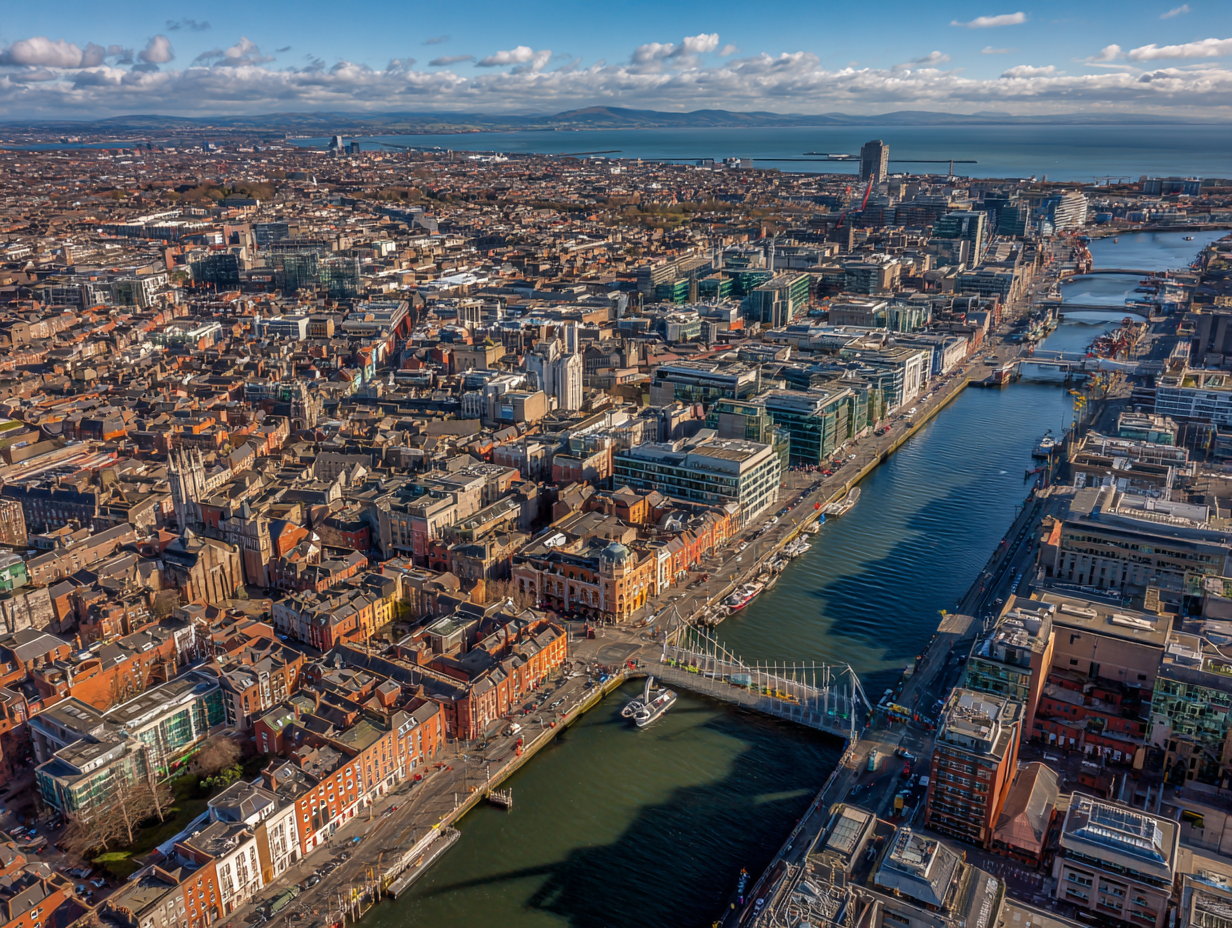
Finally, in fifteenth place, Ireland has experienced a notable rise in living costs due to its strong economic growth and booming job market. Housing is the biggest issue, particularly in Dublin, where rent and property prices have surged in recent years.
While groceries and utilities are moderately priced compared to some other countries on this list, the overall cost of living remains high. Ireland’s appeal lies in its welcoming culture, strong employment opportunities, and vibrant social environment, making it a popular destination despite the rising expenses.
Bottom Line
Living in a country that tops global cost-of-living rankings is not inherently negative, but high prices often correlate with strong infrastructure, stability, social services, and quality of life. But for newcomers or those considering relocation, understanding where your money goes becomes crucial.
Affordability will always be relative to income, personal lifestyle, and priorities. But where costs are highest, residents tend to accept trade-offs like excellent public services, strong safety nets, and enviable urban environments. For many, the expense is the price of access to a certain kind of life, and in these fifteen nations, that life comes at a decidedly premium rate.
Expensive Countries to Live in FAQs
Why are these countries so expensive to live in?
High costs often stem from a mix of strong currencies, high demand for urban housing, limited local resources, imported goods, robust social systems, and high average wages. These factors combine to raise everyday expenses.
Do high living costs mean a poor quality of life?
Not necessarily. Many of these countries offer excellent public services, infrastructure, safety, and stability, which are factors that can justify higher costs for many residents.
How should I prepare financially before moving to one of these countries?
Research local salaries, housing markets, and tax systems. Budget for rent, utilities, and healthcare first, then consider discretionary spending. Consulting relocation specialists or expat forums can also provide valuable insights.