
The pink colour of the sand is the result of five key elements that make Harbour Island’s beach unique
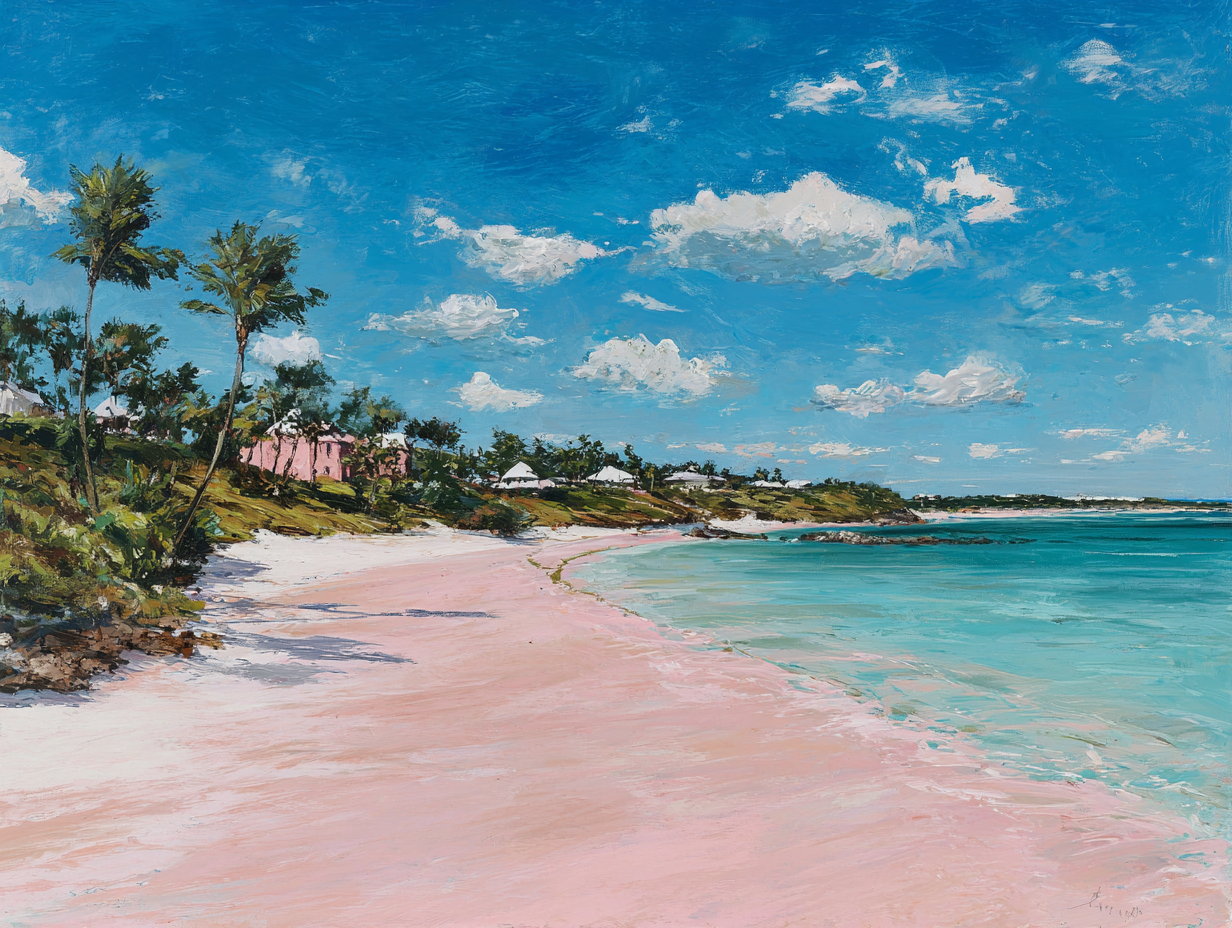
Nestled off the northeastern tip of Eleuthera in the Bahamas, Harbour Island is home to a five-kilometre stretch of blush-pink sand that seems almost too beautiful to be real. It is one of the most visually-arresting natural wonders of the world. First-time visitors might be forgiven for assuming that the colour is a trick of the light, but, in fact, the pink is natural – the result of a remarkable convergence of marine biology, oceanography, and island geography.
Here are the five key elements that explain why this beach looks the way it does.
1. The Star Player Is Shell
The single biggest contributor to the rosy palette is Foraminifera, a microscopic marine organism. Called “forams” for short, these single-celled protists that live in the warm, shallow waters of the surrounding reef system build intricate shells from calcium carbonate. The species most responsible is Homotrema rubrum, which produces a distinctly red-to-pink shell. When these forams die, their shells sink, accumulate on the sea floor, and are gradually transported, by currents and wave action, to shore. These tiny, pulverised shells, mixed into the white sand, create the signature blush of the beach.
2. The Beach Is Fed By The Reef Ecosystem
The pink sand does not exist in isolation; it is dependent on the proximity and health of the surrounding coral reef system. These reefs act as a living factory, guaranteeing the warm, sheltered, nutrient-rich habitat in which forams thrive in enormous colonies. They attach themselves to the undersides of coral heads and rocky surfaces, reproducing in vast numbers across the reef. A healthy reef results in the foram shells being continually produced, dying, and breaking down. This is how the beach has maintained its colour down the centuries. By the same coin, the degradation of the reef – as a result of bleaching, pollution, or human interference – would, over time, noticeably diminish the rosy intensity of the beach.
3. The Role Of Ocean Currents And Wave Action
The pink pigment would never reach the beach without the right physical mechanics. A natural conveyor belt – courtesy ocean currents and wave action around Harbour Island – transports the tiny red shells from the reef floor to the shoreline. The position of the island relative to prevailing Atlantic swells means that the waves consistently push sediment westward onto its Atlantic-facing side. As they break and recede, the waves deposit layers of foram fragments alongside the conventional white calcium carbonate sand. The ratio of pink foram material to white sand determines the intensity of the pink colour – which explains why some sections of the beach appear deeper in hue than others.
4. Colour Mixing And The White Sand Base
The pink we see on Harbour Island’s beach is a visual blend, the result of crimson foram shells mixing with the brilliant white base sand to create the warm blush that gives the beach its name. Characteristic of most Caribbean beaches, the white sand is largely composed of calcium carbonate derived from the breaking down over millennia of mollusc shells, coral skeletons, and other marine organisms. The finer the foram particles are ground by wave action, the more evenly the colour distributes – producing a consistently pink appearance.
5. Sunlight And The Time Of Day
Light works with biology and geology to make Harbour Island’s beach truly magical. How the pink registers to the human eye – and to the lens of a camera – is dramatically affected by the angle and quality of sunlight. During the golden hours of early morning and late afternoon, low-angle sunlight saturates the red tones, deepening the colour to an almost vivid rose. The colour can appear more muted under the harsh overhead sun at midday. The clear atmosphere of the Bahamas, combined with the reflection of the turquoise shallow water, creates a colour contrast that further amplifies the perception of pinkness, making this one of the most photogenic beaches on earth.