
The cost of living differs considerably around the world due to a range of factors including the cost of housing, food, transport, health care, taxation, and general purchasing power. For some countries and territories, either the high cost of living due to good wages and a strong currency, or the lack of space and an over-reliance on imports in some places causes the cost of living in such places to be relatively high. A number of places are the costliest according to the cost of living ranking on the World Population Review website.
Switzerland
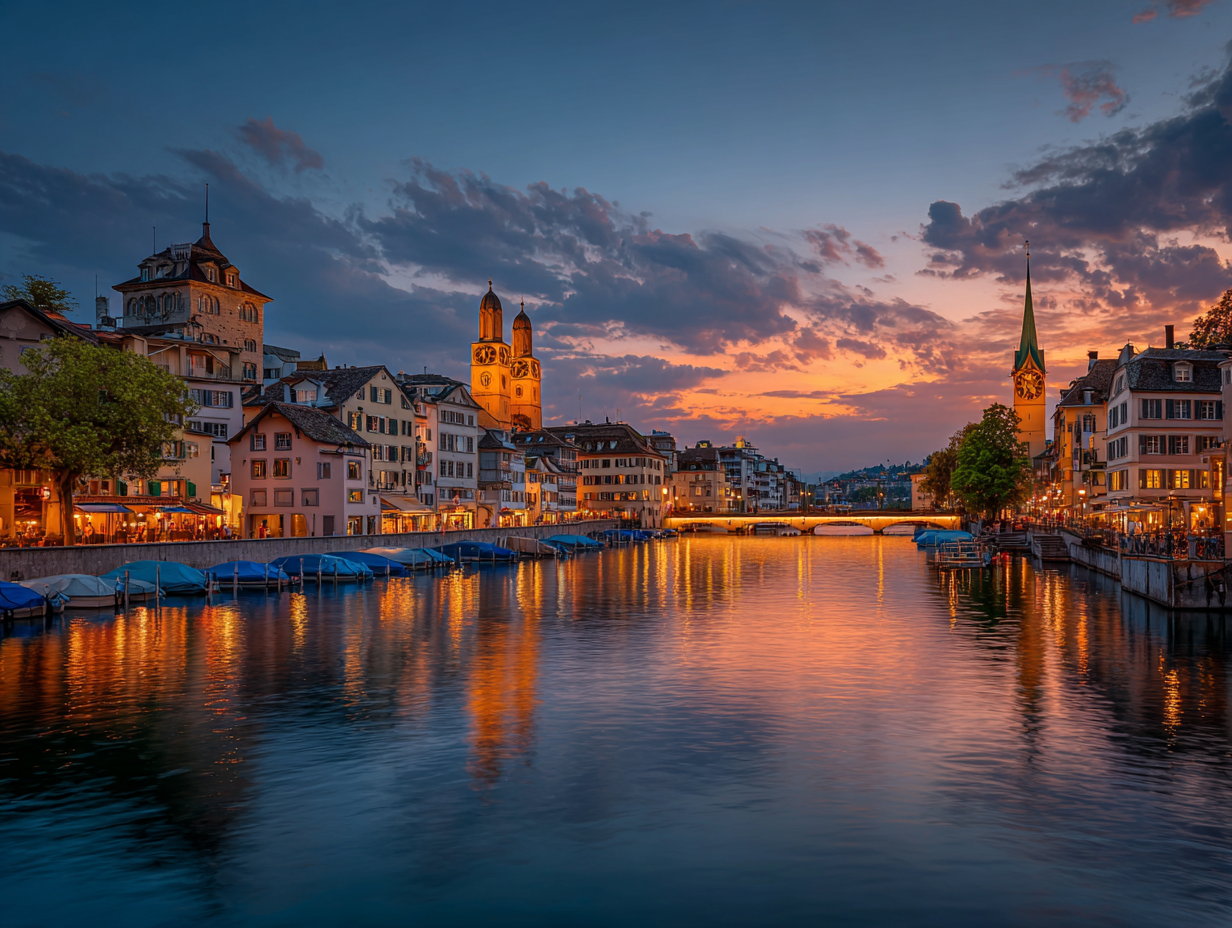
The Cost of Living Index is 98.4; hence, Switzerland is one of the costliest countries globally, with high accommodation cost, high quality of gastronomy, and high quality of services being major factors. Zurich and Geneva are some of cities that are ranked among the costliest cities around the globe. Groceries, dining out, public transportation, and healthcare all come at a premium, partly due to high labour costs and strict quality standards. Nevertheless, Switzerland’s cost of living is matched by their high salaries, excellent public services, and excellent social security. Citizens of Switzerland enjoy the best healthcare possible, the best transportation systems, and very high safety standards.
United States Virgin Islands
Similar to Switzerland, here too the Cost of Living Index stands at 98.4. This is largely because of its heavy reliance on imported goods. Almost everything, from food and fuel to construction materials, must be shipped in, significantly raising everyday expenses. The cost of living, especially with regards to housing, is relatively high. The cost of electricity and water, which further form part of the basic services, is also relatively quite high as there are no resources within the region. The people have a tropical climate and benefit from US government structures.
Iceland
In Iceland, the Cost of Living Index stands at 83.4. Living is very costly in Iceland, mainly because of its isolation, being in the middle of the ocean, and its limited population. It is necessary for them to have imported goods. Consequently, everything pertaining to food and other basic requirements has become quite costly. Eating out at restaurants is even more so compared to other European countries. The price of living in Reykjavik has increased dramatically due to tourism. Nevertheless, the living standards and public welfare programs in this region are very good.
Bahamas
With the Cost of Living Index at 81.4, the Bahamas ranks among the most expensive countries in the Caribbean due to its import-dependent economy and strong tourism-driven demand. Food prices are notably high, as most groceries and consumer goods are imported. Housing costs, particularly in Nassau and tourist-heavy islands, further add to the expense. Utilities and transportation costs are also elevated, while local wages often do not rise at the same pace as prices.
Singapore
Here, the Cost of Living Index stands at 79.1. This means that Singapore is the most expensive country in the whole of South-East Asia and one of the most expensive cities in the world. The cost of living in Singapore is aided by the high costs of housing, the purchase of vehicle, healthcare, and education. Owning a vehicle is very costly because of the regulations and taxes, while the cost of property is high because of the unavailability of land. On the bright side, Singapore provides top-notch public transportation, healthcare, security, and economic stability.