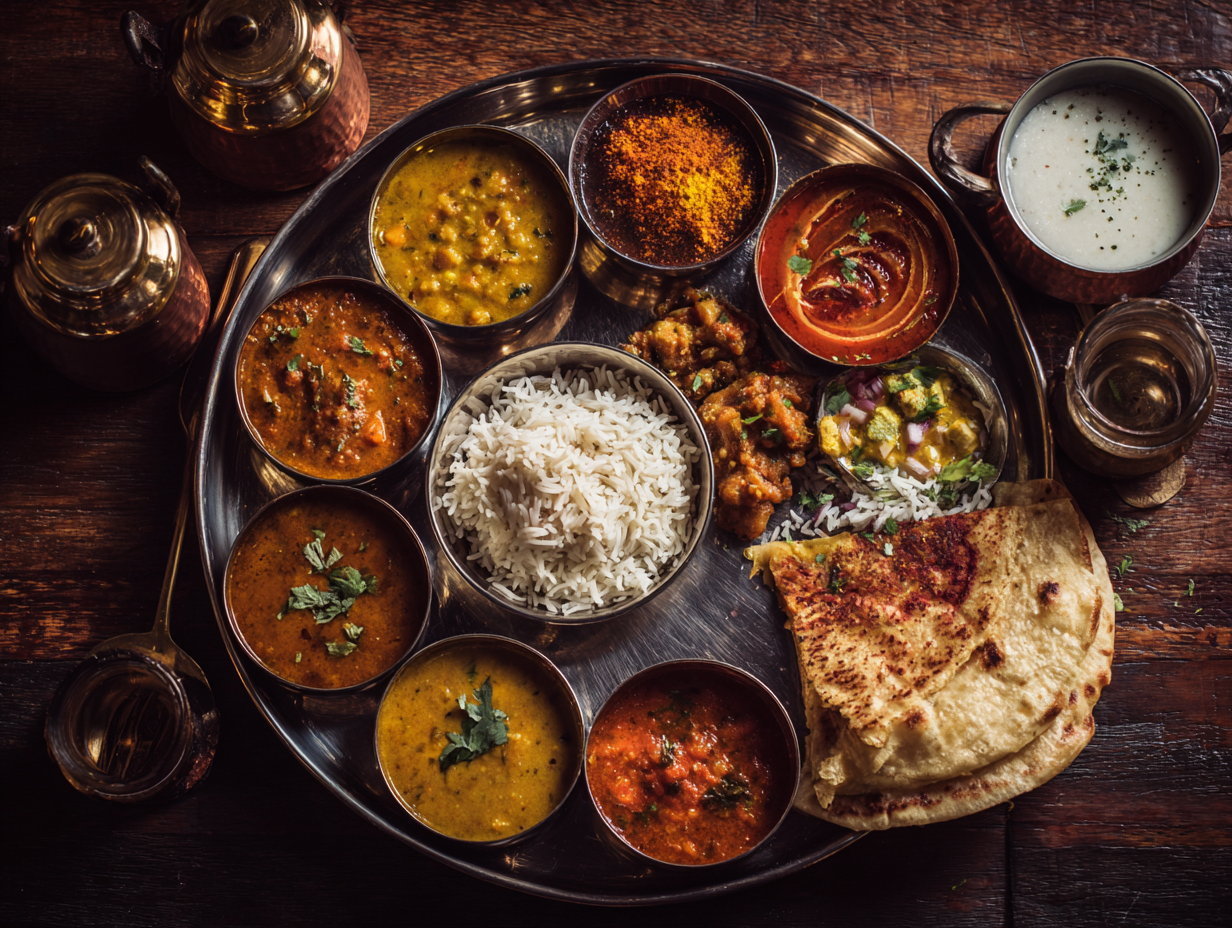

For travellers who live on a vegetarian diet, the world can feel like a puzzle. Menus in many countries still revolve around meat, seafood, or broths quietly simmered with animal stock. Yet there are places where vegetables, grains, and spices are not side dishes but the heart of the cuisine. In these countries, vegetarian travellers don’t have to negotiate with the menu, they can simply enjoy it. Across cultures and continents, some destinations stand out for their deep-rooted vegetarian traditions, innovative plant-based cooking, and easy access to meat-free meals. Here are six of the world’s most vegetarian-friendly countries to explore.
India
It is almost impossible to talk about vegetarian travel without beginning with India. In many parts of the country, vegetarianism is not a dietary or flavour preference but a cultural norm shaped by centuries of religious philosophy and tradition.
Large segments of the population follow vegetarian diets influenced by Hinduism, Jainism, and certain Buddhist traditions. As a result, entire regional cuisines have evolved without meat. Walk into a roadside dhaba or a family-run restaurant and you will find menus filled with dishes built entirely around vegetables, lentils, dairy, and grains. The variety is staggering. North India offers rich paneer curries, dal makhani, and stuffed parathas, while the south celebrates crisp dosas, fluffy idlis, and coconut-based stews. Gujarat and Rajasthan are famous for elaborate vegetarian thalis, platters containing dozens of small dishes that together create a feast of flavours. For vegetarian travellers, India is less about finding options and more about choosing among them.
Italy
Italian cuisine may be famous for its cured meats and seafood, but it also contains one of the richest vegetarian traditions in Europe. At its core, Italian cooking celebrates ingredients rather than excess: ripe tomatoes, fragrant basil, olive oil, and seasonal vegetables.
The most famous vegetarian dish in the world, pizza Margherita, was born in Naples and remains a simple masterpiece of tomato, mozzarella, and basil. Across the country, pasta dishes such as pasta primavera and spaghetti aglio e olio rely on vegetables and herbs for their flavour.
For centuries, Italian households have built everyday meals around gardens, markets, and seasonal harvests, proving that thoughtful cooking and fresh produce can create dishes that feel abundant without relying on meat.
Then there are regional classics: eggplant parmigiana baked with cheese and tomato sauce, creamy mushroom risottos in the north, and rustic vegetable soups in Tuscany. In Italy, vegetarian food never feels like a compromise. It feels like the cuisine itself.
Thailand
Thailand’s food culture is a sensory adventure, bright herbs, fiery chillies, citrus, and sweet palm sugar layered into dishes that feel alive with flavour. While many traditional Thai meals include fish sauce or shrimp paste, vegetarian versions are widely available and increasingly common.
Bangkok, Chiang Mai, and Phuket have thriving vegetarian scenes, supported by Buddhist traditions that encourage flavourful plant-based eating during certain festivals and observances. Tofu stir-fries, vegetable green curries, fragrant basil rice, and vegetarian pad Thai are easy to find at both street stalls and restaurants.
Street food culture plays a major role in this accessibility, with vendors constantly adapting recipes to suit diverse diets, often swapping traditional sauces with soy-based alternatives or simply letting vegetables and herbs lead.
Many markets also serve fresh, flavourful spring rolls, mango sticky rice, and coconut desserts that are naturally meat-free. For travellers who love bold flavours, Thailand proves that vegetarian food can be anything but mild.
Israel
Few countries embrace vegetable-based cooking with as much enthusiasm as Israel. Influenced by Middle Eastern, Mediterranean, and North African traditions, Israeli cuisine naturally leans toward plant-forward meals.
Much of this culinary richness comes from the country’s diverse cultural heritage. Jewish communities that migrated from different parts of the world brought their own food traditions, many of which relied heavily on vegetables, grains, legumes, and herbs. Over time, these influences blended with local ingredients to create a cuisine that feels both ancient and modern.
Seasonal produce plays a central role in everyday cooking. Tomatoes, eggplants, cucumbers, chickpeas, lentils, and fresh herbs appear in countless dishes, often prepared simply to highlight their natural flavour. Olive oil, lemon, garlic and spices such as cumin and za’atar add depth without overwhelming the ingredients.
The streets of Tel Aviv are filled with falafel stands, where crispy chickpea balls are tucked into pita with salads, tahini, and pickles. Hummus, often served warm, drizzled with olive oil and deeply savoury, is practically a national obsession.
Markets overflow with mezze, small plates of roasted vegetables, tabbouleh, baba ghanoush, olives, and fresh bread. Even shakshuka, eggs poached in a spicy tomato sauce, is often served as a vegetarian staple. With its vibrant produce markets and modern vegan restaurants, Israel has quietly become one of the most vegetarian-friendly destinations in the world.
Taiwan
Taiwan might surprise travellers with its remarkable vegetarian culture. Influenced by Buddhist practices, many restaurants specialise entirely in plant-based cooking. Monasteries and temple communities have long shaped local eating habits, encouraging simple, mindful meals built around seasonal vegetables, tofu, and grains rather than meat. In cities like Taipei, vegetarian buffets are common, offering dozens of dishes ranging from braised tofu and stir-fried greens to inventive meat substitutes made from soy or wheat gluten.
Night markets also feature savoury vegetarian noodle soups, dumplings, and crispy tofu snacks. Even traditional Taiwanese cooking often highlights vegetables such as bamboo shoots, mushrooms, and leafy greens. For visitors, Taiwan offers something rare: vegetarian food that is both deeply traditional and quietly innovative.
Ethiopia
Ethiopia’s cuisine tells a story of faith and community, and vegetarian travellers benefit directly from it. The Ethiopian Orthodox Church observes frequent fasting periods during which meat and dairy are avoided, giving rise to an extraordinary array of plant-based dishes.
Meals are served on injera, a soft sourdough flatbread that acts as both plate and utensil. On top of it sit colourful stews made from lentils, chickpeas, potatoes, cabbage, and spiced vegetables.
Dishes like shiro (a rich chickpea stew) and misir wat (spicy red lentils) deliver deep, slow-building flavours thanks to the country’s signature spice blend, berbere. Eating Ethiopian food is also a communal experience, with diners sharing from the same platter. For vegetarian travellers, it offers not just a meal but a cultural ritual.