
From Roaring Forties to the Fremantle Doctor: How 5 Global Cities Turn Strong Winds into Tourist Attractions.
Wind is often seen as an inconvenience, but in some parts of the world, it defines a city’s personality. From coastal capitals to lakeside metropolises, steady gusts shape architecture, outdoor life, and even local culture.
For travelers who enjoy dramatic skies, ocean spray, and landscapes carved by nature, windy cities offer something special. The breeze clears the air, powers water sports, and creates ever-changing scenery that photographers and adventure seekers find irresistible.
Here are five of the windiest cities in the world and the reasons tourists keep coming back despite the gusts, as reported by The Times of India.
Wellington, New Zealand
Perched at the southern tip of New Zealand’s North Island, Wellington sits directly in the path of strong westerly winds known as the “Roaring Forties.” The narrow Cook Strait between the North and South Islands funnels these winds, giving the capital its famously blustery reputation.
Yet the wind has not slowed the city’s charm. Visitors stroll along the waterfront promenade, explore Cuba Street’s cafés, and dive into the country’s history at Te Papa Tongarewa Museum.
The surrounding green hills and sweeping harbor views become even more dramatic when clouds race across the sky.
Film fans also recognize Wellington as the creative base behind The Lord of the Rings trilogy. The city blends culture, cinema, and coastal beauty, making the wind feel like part of the experience rather than a drawback.
Chicago, United States
Chicago earned the nickname “The Windy City” in the 19th century, partly for political reasons, but its location along Lake Michigan also brings frequent gusts.
The open waterfront allows cold air masses to sweep through downtown streets, especially in winter.
Despite that chill, Chicago’s skyline remains one of the most admired in the world. Visitors flock to Millennium Park to photograph Cloud Gate, stroll along the Lakefront Trail, and explore masterpieces at the Art Institute of Chicago.
The wind adds character to boat cruises along the Chicago River and enhances the lakeside atmosphere.
Deep-dish pizza, live blues music, and vibrant neighborhoods ensure that the breeze never overshadows the city’s energy.
Punta Arenas, Chile
Located near the Strait of Magellan in southern Chile, Punta Arenas faces relentless Patagonian winds. Its proximity to Antarctica and vast open plains leaves little to block powerful gusts that sweep across the region year-round.
Travelers often use Punta Arenas as a gateway to Patagonia’s rugged wilderness. The windswept terrain gives the city a raw, adventurous feel that appeals to explorers.
Penguin colonies, expansive grasslands, and access to Torres del Paine National Park draw visitors seeking glaciers and dramatic mountain peaks.
Here, the wind becomes part of the untamed landscape that defines southern Chile.
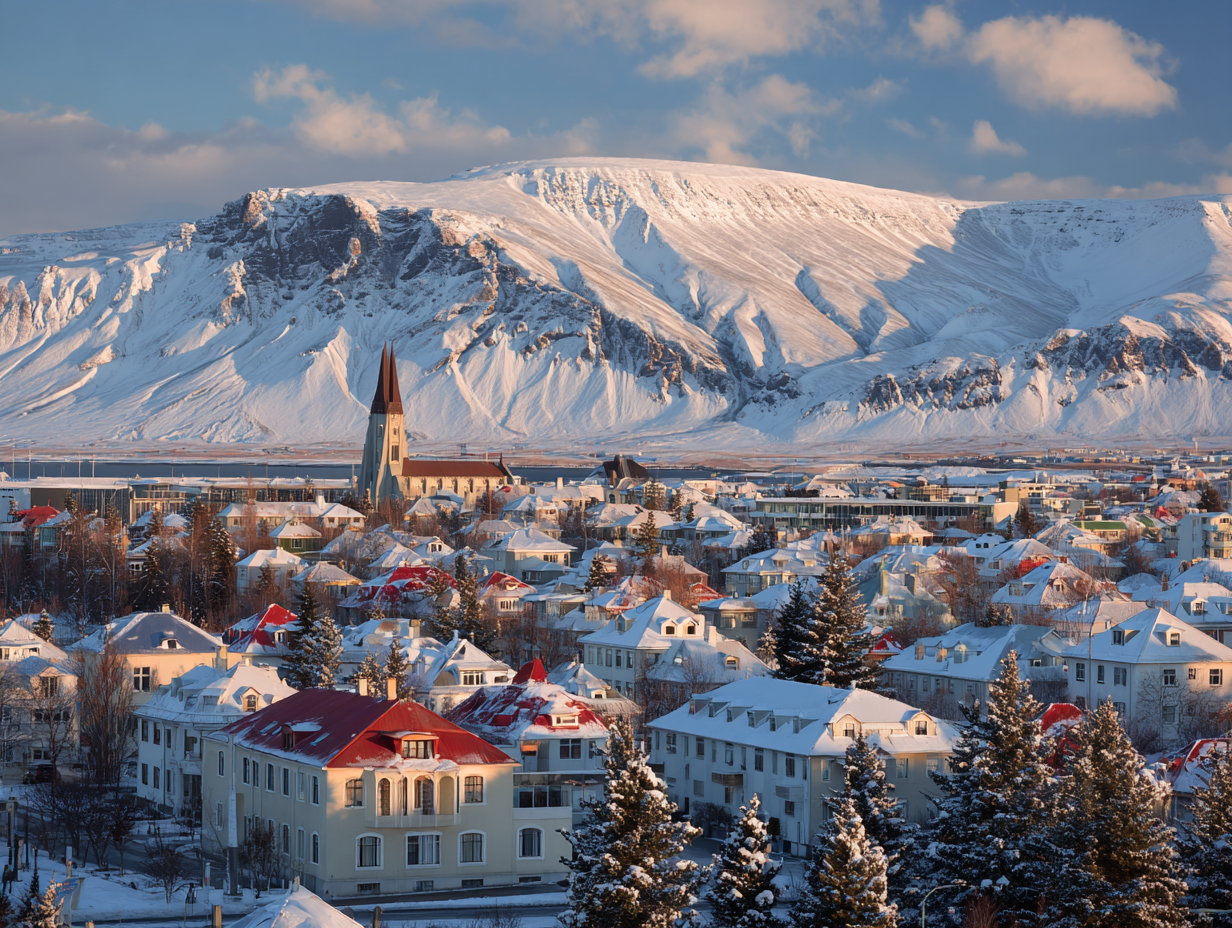
Reykjavik, Iceland
Reykjavik’s position in the North Atlantic exposes it to frequent low-pressure systems and strong ocean winds.
With few natural barriers and a maritime climate, the city experiences steady breezes and occasional powerful gusts, particularly during winter.
Travelers embrace these conditions as part of Iceland’s wild appeal. From Reykjavik, visitors set out to see geysers, waterfalls, and volcanic terrain, often stopping at the Blue Lagoon to unwind.
Colorful houses line the streets, and the city’s thriving arts and music scene offers warmth against the cool wind.
During clear winter nights, visitors gather outside the city in hopes of witnessing the Northern Lights dancing across the sky.
Perth, Australia
Perth is known for its reliable afternoon sea breeze called the “Fremantle Doctor.” As inland temperatures rise, cooler air from the Indian Ocean moves in, creating consistent winds that define the city’s climate.
Rather than resisting it, locals build their lifestyle around the breeze. Perth’s beaches, including Cottesloe Beach, attract surfers, sailors, and kiteboarders who depend on steady winds.
The refreshing gusts also make summer afternoons more comfortable, encouraging outdoor dining and sunset watching along the coast.
Just offshore, Rottnest Island offers cycling paths and the chance to spot quokkas, adding another reason tourists appreciate Perth’s breezy setting.
Bottom Line
In each of these cities, wind shapes daily life and visitor experiences.
Instead of avoiding the gusts, travelers discover that the moving air enhances scenery, supports outdoor adventures, and adds a sense of motion to already captivating destinations.