
Planning a cherry blossom trip to Japan? What if your journey could go beyond crowded sakura spots? Here are five offbeat experiences that reveal an unforgettable side of Japan
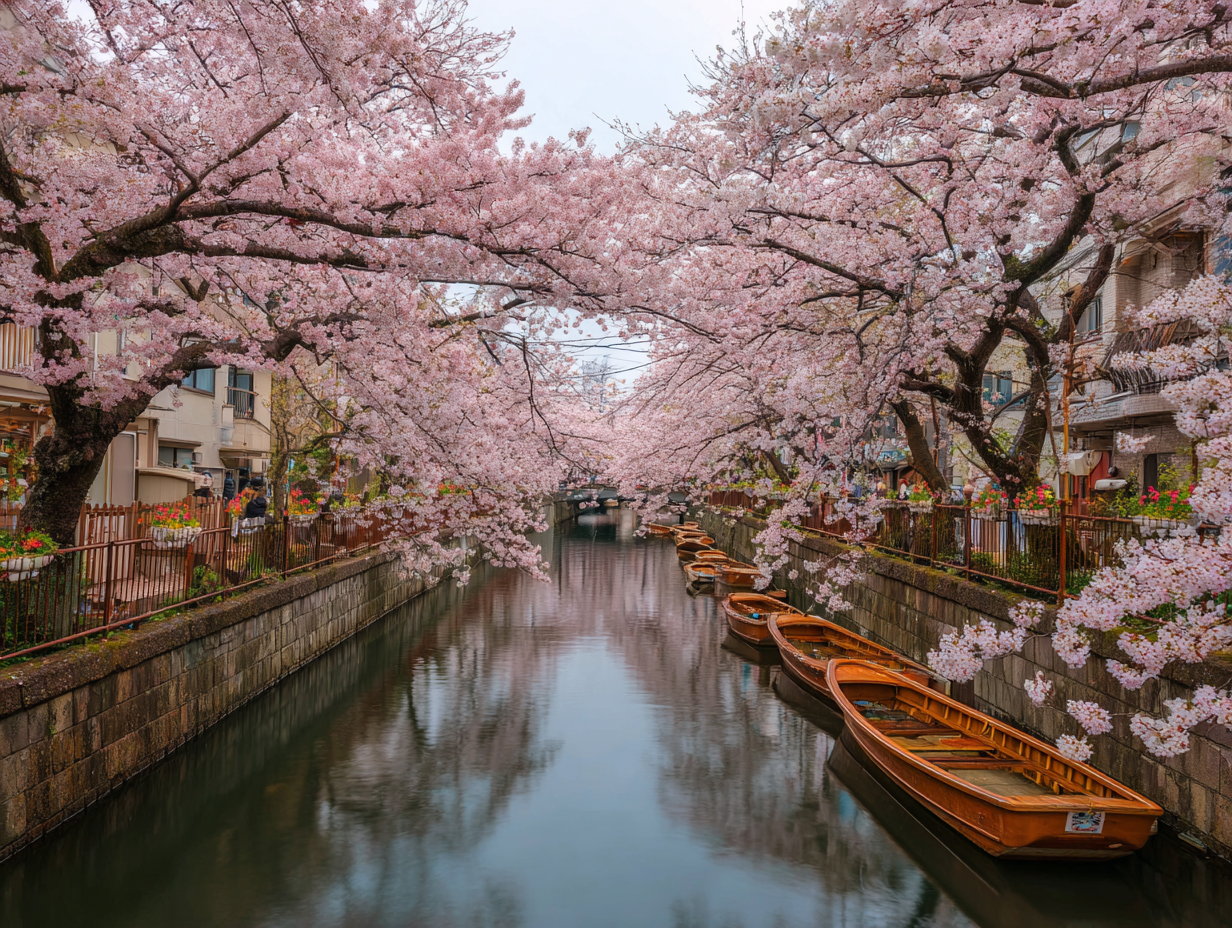
Japan’s cherry blossoms in 2026 are expected to bloom from late March to early April across central regions, with full bloom typically lasting just one week. Tokyo, Kyoto, and Osaka remain the most sought-after destinations for first-time visitors, drawing crowds eager to witness the fleeting pink spectacle that defines Japan’s most photographed and celebrated season.
While cherry blossoms remain a defining travel moment, Japan offers experiences that stretch far beyond flower-viewing traditions. Travellers often arrive for hanami but leave captivated by the country’s cultural curiosities, wellness rituals, and unusual communities. For those willing to step off the crowded sakura trail, Japan reveals immersive, lesser-known encounters that showcase its layered traditions and distinctive modern eccentricities.
Cat Island: Aoshima Island is one of Japan’s rare “cat islands,” where more than a hundred cats roam freely through a quiet fishing village. Here, felines outnumber humans nearly six to one, curling up in abandoned homes or wandering narrow streets. Growing internet fame has drawn increasing tourists, often overwhelming the island’s small resident population while preserving its oddly tranquil charm.
Hakone’s Unusual Spa Rituals: Traditional bathing meets playful wellness innovation in Hakone’s themed spa pools. Visitors can soak in green tea, coffee, wine, or sake baths, each believed to offer health benefits. Sake baths are said to help reduce freckles and ageing spots, while green tea sourced from surrounding mountains is linked to improved skin and immunity. Wine baths are often associated with rejuvenation rituals.
Kyaraben Workshops: Kyaraben, or character bento, transforms simple lunch ingredients into edible art. Using rice, seaweed, and vegetables, participants learn to recreate cartoon characters, animals, and pop culture icons through intricate food arrangement. These workshops highlight Japan’s culinary precision while revealing how food presentation reflects care, creativity, and emotional expression within everyday Japanese domestic culture.
Shukubo Temple Stays: Staying in a shukubo offers travellers a rare opportunity to experience life inside a Buddhist temple. Guests participate in meditation sessions and traditional vegetarian temple meals, providing a pause from modern distractions. Many temples operate on cash-only systems, and room packages often include dinner and breakfast, creating a structured yet deeply calming introduction to monastic living traditions.
Animal cafés across Japan, especially in Tokyo districts like Harajuku and Akihabara, offer visitors time-limited interactions with animals ranging from Shiba Inus and cats to owls, hedgehogs, micro pigs, and capybaras. Typically operating through paid entry with beverage service, these venues reflect Japan’s fascination with therapeutic companionship and carefully curated animal interaction experiences.