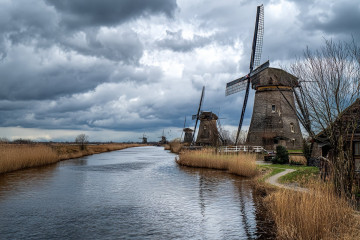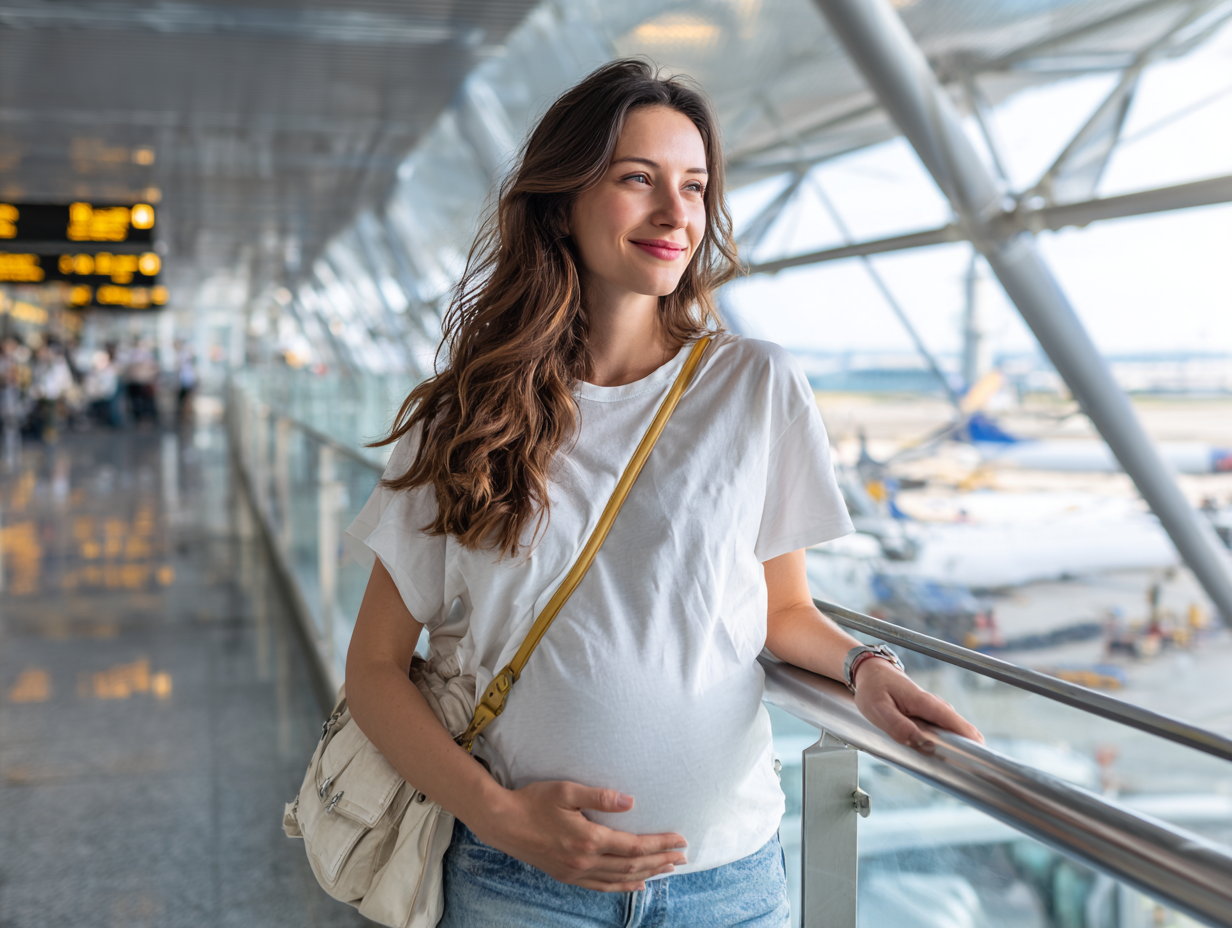

While a trip during the rainy season is calming, there are a lot of health challenges, particularly for pregnant women. Know how to stay safe with these tips.
Monsoon unveils a new side to familiar sceneries, whether it’s making nature look greener or giving the cityscape a fresh look. So, people feel tempted to go on trips during the rainy season to see these beautiful sights, including pregnant women. But monsoon also brings several challenges that demand extra caution for expectant mothers. From slippery roads to a higher risk of illnesses, pregnant women need to take due precautions to ensure a safe journey.
Dr Ritu Choudhary, Lead Consultant, Obs and Gyn, Robotic and Laparoscopic Surgeon at Apollo Cradle and Children’s Hospital, Bangalore-Electronic City, told safety is essential, from maintaining hydration to eating clean foods. She said, “With some pro-activeness in choosing the right mode of transport, keeping oneself hydrated, eating clean food, and prioritising safety, expectant mothers can ensure a safe and pleasant journey in monsoons. ” Further, she cautioned that if the conditions worsen, then visit a doctor.
Dr Ritu Choudhary shared eight tips, including essentials ranging from what types of clothes to wear to the preferred seat type on transport:
1. Ask a doctor first
- Always consult the gynaecologist before arranging any travel, especially during the first or third trimester of pregnancy.
- Travel may be prohibited during high-risk pregnancy or at certain stages, depending on individual health conditions.
- Always carry reports and documents of medical history and emergency contact numbers.
2. Selecting proper transportation
- Trains and private vehicles are usually more comfortable and safer than buses or two-wheelers during the monsoon; thus, always prefer those if possible.
- When travelling via flight, always check the airline policies for pregnant women and avoid air travel after 36 weeks of pregnancy.
3. Check the weather and road conditions
- Always check the weather before and look at a weather app or website to get a clearer view of whether to venture out.
- Avoid going out when it is pouring rain, or there are storms or other warnings.
- Long road trips should be further considered by the prospect of wet roads, water pooling, and poor visibility.
- All of these situations drastically increase slipping and falling or getting into a car accident.
4. Prioritise comfort and safety
- Wear loose, cotton clothes and keep a spare set of clothes nearby. Carry waterproof jackets and strong umbrellas.
- Wear anti-slip, comfortable shoes to minimise the risk of slipping on wet surfaces.
5. Maintain hygiene
- The risk of infections like UTIs and gastroenteritis is greater during the monsoon.
- Keep hand sanitisers, wipes, tissues, and a toilet seat disinfectant spray handy.
- Minimise the use of public toilets. Drink clean potable water.
6. Follow a balanced diet
- Pregnancy cravings are normal, but it’s advisable to avoid street food during the monsoon.
- Eating fruits, salads, that are already cut and food that is left uncovered can be risky.
- Oily, spicy, or very salty foods could also trigger heartburn or indigestion.
- Consume freshly cooked food only prepared under hygienic conditions.
7. Ensure protection from mosquitoes
- Dengue and malaria peak during the monsoon season so dress in long-sleeved shirts and apply pregnancy-safe insect repellents.
- Stay away from stagnant water and sleep under a mosquito net on your travels
8. Take breaks during travel
- Extended travel can cause leg cramps, back pain, or fatigue. Remember to take regular breaks from your travels to move and stretch.
- If you are travelling by car, be sure to stop every 1.5–2 hours.
- When booking a train ticket, it is best to book a lower berth for the convenience and safety of getting on and off the train.